


With the rise of new models such as distance education, hybrid teaching, and online training, the demand for high-quality real-time recording and remote live broadcasting of teaching sites keeps increasing. Traditional fixed recording and broadcasting solutions are mature and stable, but when faced with the twin requirements of flexibility plus efficient deployment, mobile HD recording and live broadcasting solutions are gradually becoming the mainstream choice.
This article will discuss the makeup, plan for using it, common situations where it applies, important facts, and future development path of mobile recording and live broadcasting solutions to help different schools, company training groups, and content makers create a plan for recording and live broadcasting that works best for them.
What are mobile HD recording and live broadcasting solutions?
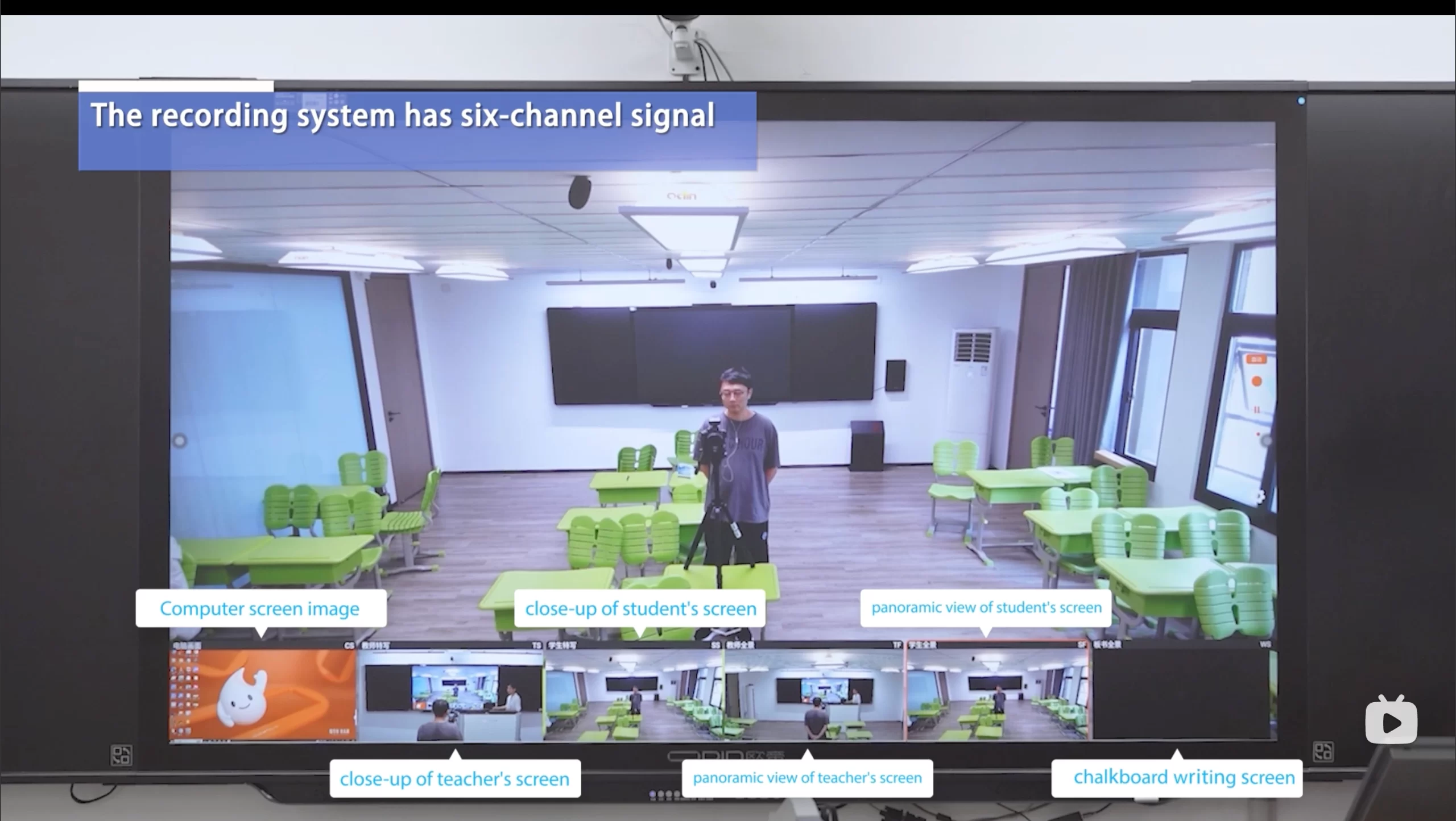
Mobile HD recording and live broadcasting solutions mean, in simple terms, the integration of high-definition cameras, audio acquisition devices, encoding recording and broadcasting systems, and streaming modules on movable carriers (carts, brackets, mobile platforms) for collecting and sharing teaching, lectures or training content in real-time at any time and anywhere.
Its typical system includes:
- HD camera: usually with PTZ function. Direction and zoom can be controlled remotely
- Audio pickup device: supports wired/wireless microphones, built-in echo cancellation algorithm;
- Recording and broadcasting embedded host: supports multi-source recording, hard-coded compression.
- Network streaming module: RTMP/SRT/NDI protocol output, compatible with all the major live broadcast platforms;
- Display and control terminal: touch controller or tablet interface, easy to operate;
- Portable bracket or cart structure: contains a battery pack and an anti-skid wheel tripod, for application in different places.
Key advantages
- High flexibility
No need for fixed installation, can easily adapt to multi-venue and multi-scene mobile deployment, an ideal choice in the current multi-functional space. - Ready-to-use, easy to operate
The system presets recording/streaming templates, and only one click start can complete a high-definition live broadcast, suitable for users without a technical background. - Highly compatible platform access
Can quickly access mainstream platforms such as YouTube Live, Zoom, Tencent Conference, and ClassIn. Also, support private education cloud system access. - Easy to take care of and make better
The modular design is easy to swap out, add on, or help from far away, and has a lower cost compared to set solutions.

Deployment strategy
- Customized system structure on demand
Choose suitable camera specs and gear setups based on things like scene size, how many people are there, and light conditions. Plan the network links well. Use wired Ethernet first, and pick 5G or 4G cards as backup ways to keep streaming steady. Set up a system for managing and saving files.All taped content should be copied to cloud storage or a NAS system for later help with editing, looking back, and copyright handling. - Create operation and maintenance procedures
Write operation manuals and establish technical aid posts for long-term system availability and minimal error in operations.
Technology Trend Outlook
- AI and Automated Recording
More AI understanding and automatic editing features will be brought in the future to achieve speaker understanding, automatic screen changing, keyword pulling out, and semantic grouping. - Cloud-based teamwork features
Through the cloud platform, users will be able to carry out multi-location collaborative recording, as well as support the functionalities of multi-channel simultaneous live broadcast and real-time interactive teaching. - High frame rate and ultra-high-definition video
Since the content has higher requirements for visual communication quality, 4K/60FPS, HDR, etc, Standards will gradually become mainstream configurations.
In the fast popularizing of smart education and online content, Mobile HD Recording and Live Streaming Solution does not just represent a form of technical implementation but also a conceptual shift- it demolishes spatial constraints, lets quality content flow, makes every teaching, lecture, and communication visible, recordable, and shareable. This will become an indispensable major tool for educational informatization going forward, with a deep impact on how knowledge is communicated.